
DIRECTOR

Kevin Ochsner, Ph.D.
Google Scholar | Email
Kevin received his bachelor's degree summa cum laude in psychology from the University of Illinois at Urbana-Champaign and his Masters and Ph.D. in psychology from Harvard University. He has also received postdoctoral training in social psychology at Harvard (in lab of Daniel Gilbert) and functional neuroimaging at Stanford University (in lab of John Gabrieli, now at MIT).
He currently is Professor and Chair in the Department of Psychology at Columbia University. Kevin's research interests include the psychological and neural processes involved in emotion, self-control, and person perception. All of his work employs a social cognitive neuroscience approach that seeks to integrate the theories and methods of social psychology on the one hand, and cognitive neuroscience on the other.
Kevin is a recipient of the Young Investigator Award from The Cognitive Neuroscience Society, Columbia University’s Lenfest Distinguished Faculty Award, and the APA Division 3 New Investigator Award. In 2010 Kevin was identified as 27th most cited Social Psychologist of all time, corrected for stage of career, in an article on citation impact by Nosek et al. published in PSPB. In 2008 Kevin was identified as the most cited Assistant Professor in Social Psychology in an article published in SPSP’s Diologue.
Along with Nim Tottenham, Kevin is Co-Director of the Psychology Undergraduate Honor’s Program. His teaching includes seminars on social cognitive neuroscience as well as a lecture course on experimental psychological methods for studying emotion and social cognition.
POST-DOCTORAL FELLOWS
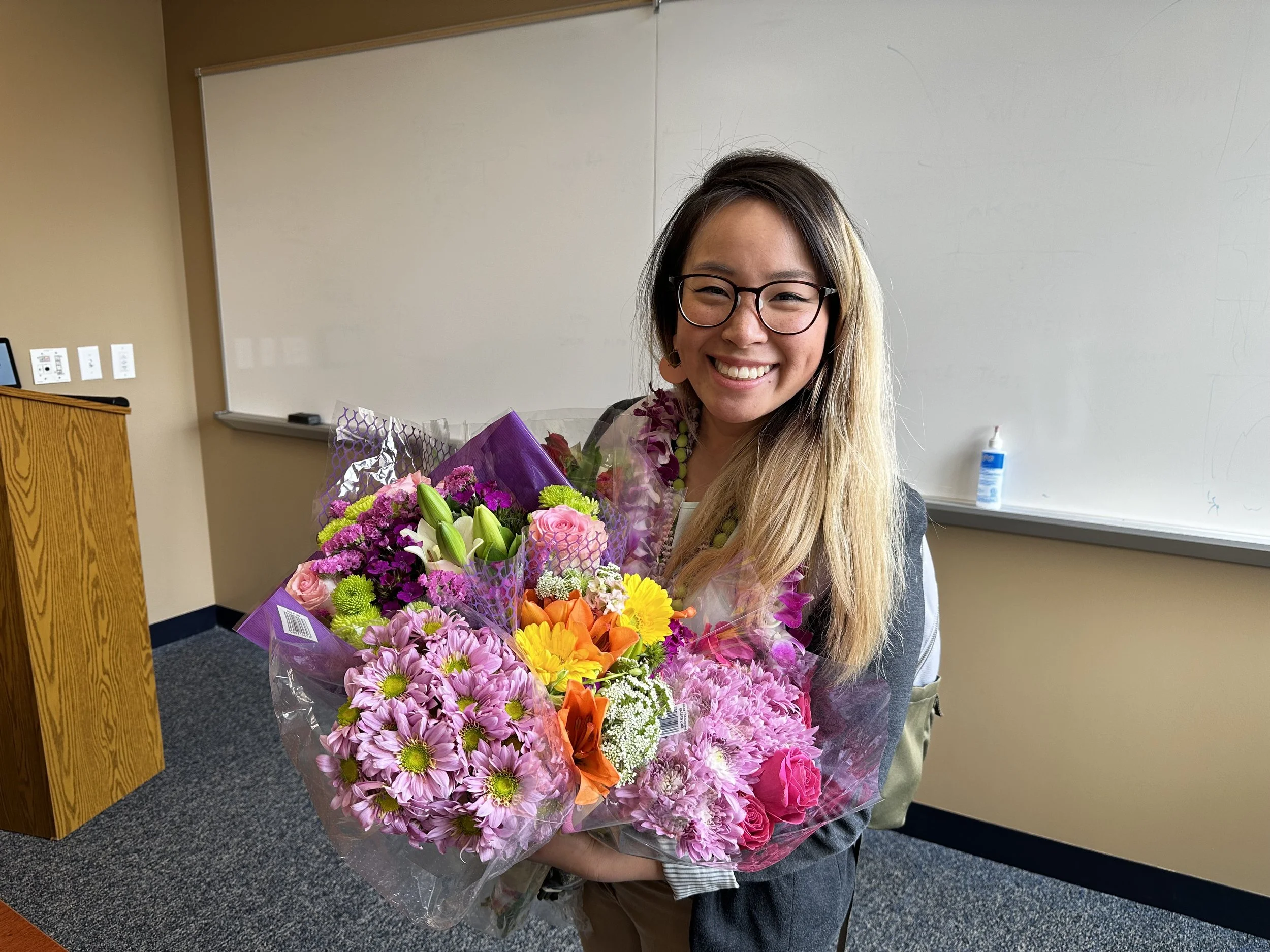
Jocelyn Lai
Jocelyn (she/her) is a postdoctoral research scholar working with Dr. Kevin Ochsner and Dr. Daniel Ames. Her research integrates quantitative and qualitative methods to examine how emotions are perceived, experienced, and regulated. Subsequently, she is interested in how these emotion processes shape interpersonal relationships and social decision-making across cultures and the adult lifespan.
GRADUATE STUDENTS

Zhouzhou (Jo) He
Jo is interested in how our social relationships regulate our emotional experiences in both adaptive and maladaptive ways. She received a B.A. in Psychology with a Specialization in Computing from the University of California, Los Angeles. Before joining the SCAN Lab, she worked as an undergraduate research assistant at Dr. Naomi Eisenberger's Social and Affective Neuroscience Lab, Dr. Matthew Lieberman's Social Cognitive Neuroscience Lab and Dr. Jennifer Silvers' Social Affective Neuroscience and Development Lab. Ultimately, she hopes her work can inform how we may leverage social relationships to improve well-being.

Eisha Haque
Eisha is interested in how people perceive affective and regulatory styles in others. In particular, how our perceptions of others’ regulatory styles influence social regulation choices (e.g., who do we seek support from? what strategies do we use on others?). She received a B.Sc. in Neuroscience and Cognitive Science from the University of Toronto. Before joining the SCAN Lab, Eisha worked as a lab manager at Dr. Maital Neta’s Cognitive and Affective Neuroscience Lab at the University of Nebraska-Lincoln, where she investigated social networks and emotional bias.
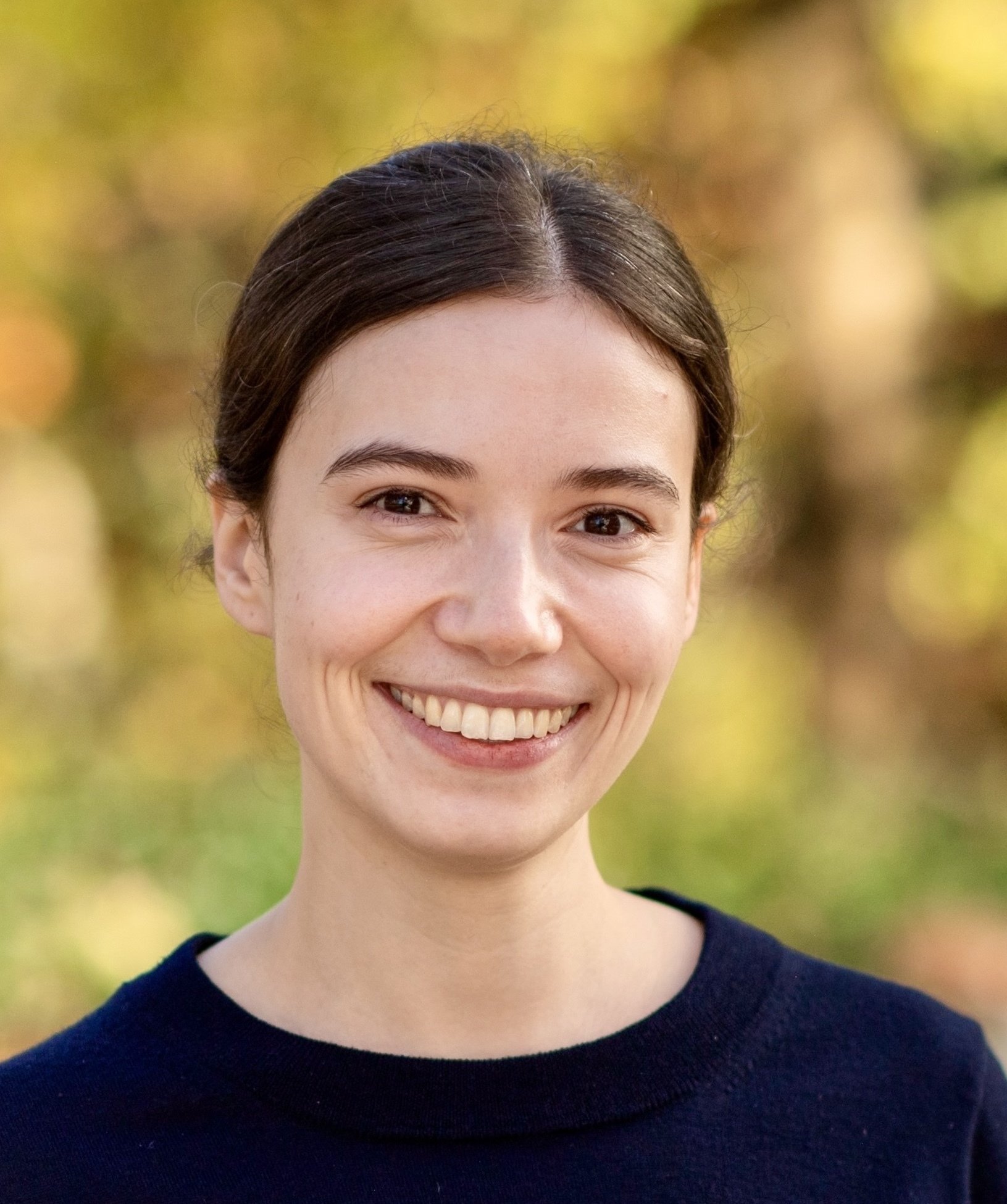
Emma Miller
Emma is interested in how shared reality emerges in conversation and microcultures develop within close relationships. Her research draws from an interdisciplinary set of approaches across psychology, sociology, and computational social science. She received a B.A. in History from Brown University and M.A. in Psychology from New York University.

Nikhila Anand
Nikhila is interested in how cultural and social contexts shape emotional expression and empathy- both in human and artificial intelligence. Her current work examines how sociodemographic backgrounds influence the therapeutic advice that large language models (LLMs) like ChatGPT provide, revealing how cultural assumptions shape algorithmic empathy and moral emotion in human-AI interaction. She received her B.S. in Marketing from the University of Central Florida and her M.A. in Quantitative Methods in the Social Sciences from Columbia University.
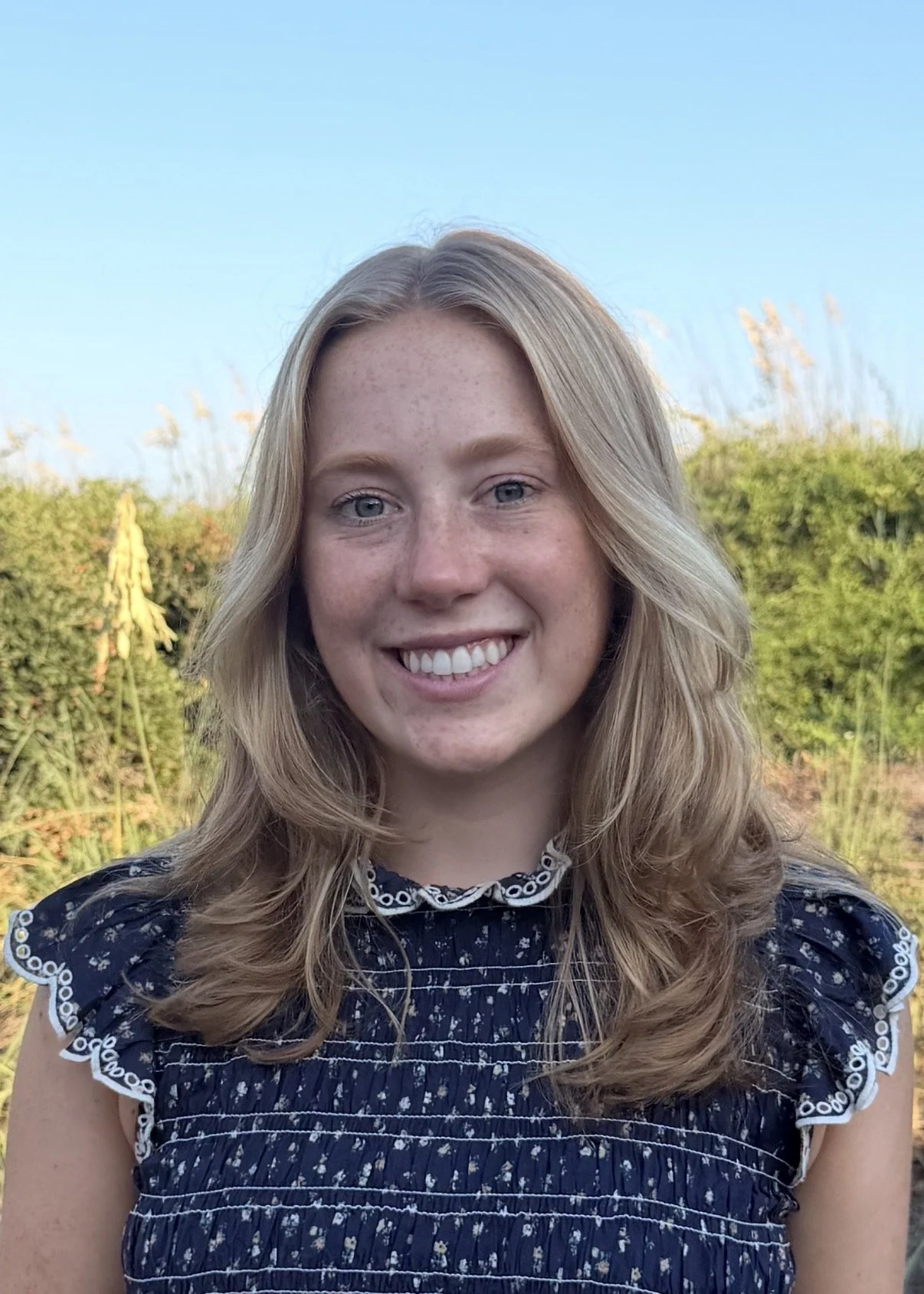
Melinda Somers
Melinda is interested in how people regulate their emotions in social contexts and how these processes shape social connection and well-being. Specifically, her research aims to explore how we connect with people we do not know well (i.e., strangers and “weak ties”). Before joining Columbia University, she served as a lab manager for Dr. Abigail Marsh at Georgetown University, where she studied individual differences in self-versus other-oriented decision-making. Melinda earned her B.S. in Neuroscience from the University of North Carolina at Chapel Hill.
RESEARCH ASSISTANTS
Sarah D’Aurizio
Sarah graduated from Columbia with an undergraduate degree in Psychology, and a Masters degree in Spirituality and Psychology from Columbia’s Teachers College. She is interested in studying well-being with an emphasis as to how emerging adults are able to flourish over time and in different contexts.
COLLABORATORS
Lisa Feldmann-Barrett, Ph.D. website
Jennifer Bartz, Ph.D. website
Jennifer Beer, Ph.D. website
Peter Bearman, Ph.D. website
Niall Bolger, Ph.D. website
B.J. Casey, Ph.D. website
Joan Chiao, Ph.D. website
Geraldine Downey, Ph.D. website
Michael Green, Ph.D. website
John Gabrieli, Ph.D. website
James Gross, Ph.D. website
Hedy Kober, Ph.D. website
Harold Koenigsberg, M.D. website
John Mann, M.D. website
Jeff Miller, M.D. website
Jon Morgenstern, Ph.D. website
James Murrough, M.D., Ph.D. website
Nasir Naqvi, M.D., Ph.D. website
Barbara Stanley, Ph.D. website
Tor Wager, Ph.D. website